
Last updated September 25, 2026
Seasonal ADU Care for Simi Valley: Year-Round Homeowner’s Guide
The Thomas Fire in December 2017 and the Woolsey Fire in 2018 permanently changed how insurance underwriters evaluate structures in Simi Valley’s hillside zones. An ADU built without current ember-resistance detailing can void your homeowner’s policy mid-term, even if the primary residence met code when it was built. This guide maps the maintenance calendar that keeps your ADU insurable, efficient, and structurally sound through Simi Valley’s distinct seasons: the hot-dry summer stretch, the Santa Ana wind window from October through January, and the concentrated winter rain that arrives in brief, intense episodes most coastal California guides don’t address.
Quick Answer
ADU maintenance in Simi Valley follows a four-season cycle driven by local climate stressors: fire-hardening before Santa Ana season begins in October, wind and air-quality checks through January, drainage and moisture management before winter rains concentrate in February through April, and thermal efficiency verification before summer heat peaks above 100°F in July and August. Most failures we document in Simi Valley ADUs trace to skipped seasonal transitions, not construction defects.
Table of Contents

- Fire Season Preparation: Ember Resistance and Defensible Space
- Santa Ana Wind Season: October Through January
- Winter Rain and Concentrated Precipitation
- Summer Heat and Thermal Management
- Annual Documentation and Permit File Maintenance
- Prefab and Modular ADU-Specific Care
- Common Mistakes to Avoid
- When to Call a Professional
- Frequently Asked Questions
Fire Season Preparation: Ember Resistance and Defensible Space
Simi Valley sits within Ventura County’s Very High Fire Hazard Severity Zone designations on multiple hillside exposures. After the 2017 and 2018 fire seasons, California Insurance Commissioner regulations and individual carrier policies tightened ember-resistance requirements for accessory structures. An ADU without current detailing is not merely a code concern; it’s a coverage exposure.
We inspect three systems each September, before Santa Ana conditions typically arrive:
- Ember-resistant vent screens: Standard 1/4-inch mesh does not meet current Chapter 7A of the California Building Code for structures in VHFHSZ areas. Current requirement is 1/8-inch corrosion-resistant metal mesh. In Simi Valley’s dry climate, galvanized screens degrade faster than stainless; we photograph screen condition annually and replace when oxidation first appears, not after failure. The documented photo record goes to the client with a date stamp.
- Class A roofing assembly verification: This is not merely the shingle or tile rating. The full assembly, including underlayment and deck attachment, must carry a Class A label. For garage conversion ADUs in Simi Valley, the existing roof structure often predates current assembly requirements. We verify the permit set against the installed condition; if the conversion was done without assembly upgrade, the roof may not qualify for current insurance even if the surface material is rated Class A.
- Defensible space measured from the ADU footprint, not the primary residence: This is the error we see most often. Insurance adjusters and fire inspectors measure clearance from each structure’s exterior walls. An ADU tucked behind a primary residence with compliant front-yard clearance may still fail if the zone between ADU and property line, or ADU and fence, falls short. In Simi Valley’s typical 6,000-10,000 square foot hillside lots, this often means 30 feet of reduced-fuel zone and 100 feet of defensible space on the downslope side.
The Haven Standard Clause 5 (No Surprises) locks fire-hardening scope at contract signing for new builds. For existing ADUs, we offer a fire-readiness assessment with written findings and photo documentation. The cost typically runs $340-$580, depending on ADU size and roof access complexity. Every finding is itemized; no scope is added without a written change order with a fixed price.
Brand-specific note: For new detached ADUs in Simi Valley, Cover and Mighty Buildings both ship with ember-resistant venting as standard. Dvele’s smart-home package includes automated vent closure tied to regional fire weather alerts. We specify and coordinate these systems within the same single contract, so the detailing is not an aftermarket add-on that falls between designer and builder responsibility.
Santa Ana Wind Season: October Through January
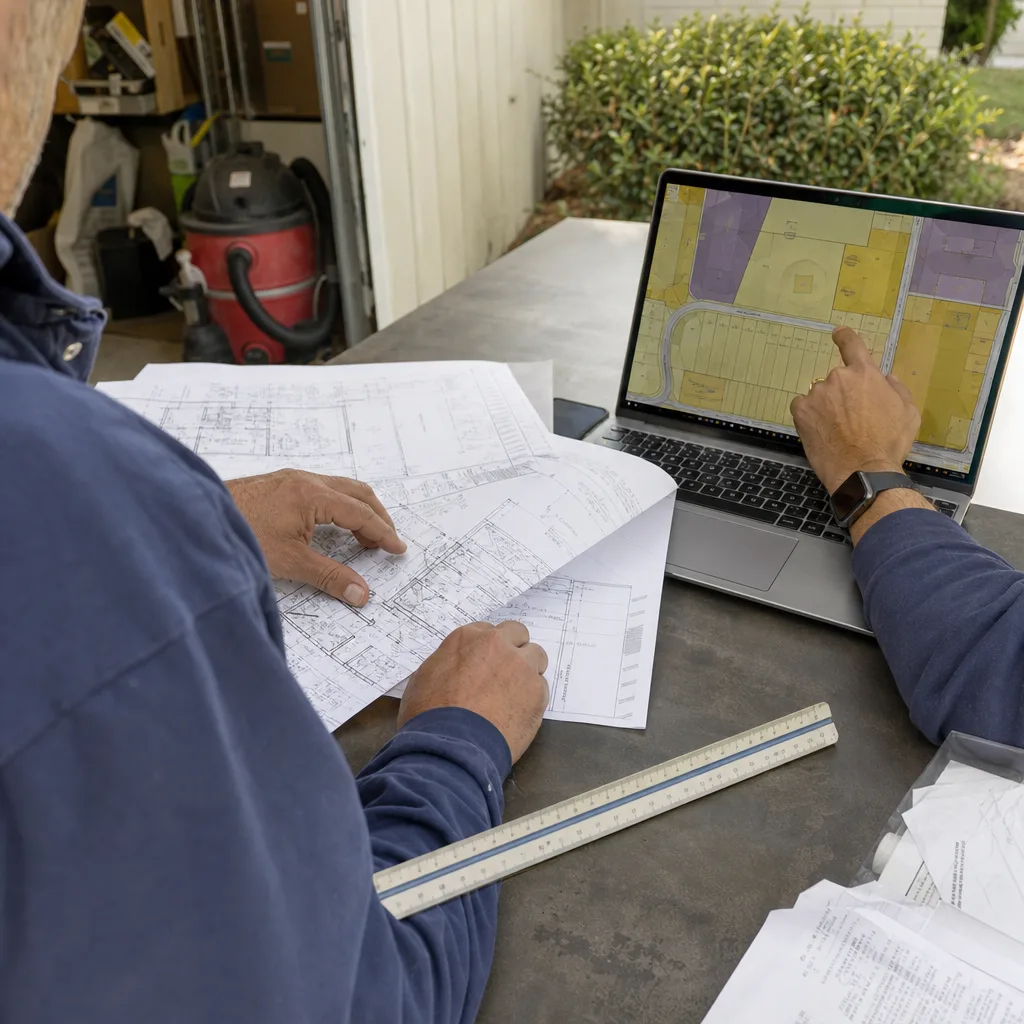
Simi Valley’s Santa Ana wind events peak from October through January, with sustained winds of 40-60 mph and gusts above 80 mph recorded multiple times each season. These are not “breezy days.” They drive dust, embers, and structural loading that coastal Southern California maintenance guides underestimate.
Our pre-season checklist targets three failure modes we’ve documented in Simi Valley ADUs:
- Roof flashing inspection: Wind-driven rain enters at flashing terminations, not field shingles. We check step flashing at wall intersections, counterflashing at chimney or vent penetrations, and drip edge integrity. In the 2023 season, we documented three ADUs in the Wood Ranch area where wind-lifted drip edge allowed water intrusion that appeared as interior ceiling stains in February, months after the actual entry point event. The repair cost ranged from $1,200 to $4,800 depending on interior damage extent.
- Exterior caulk audit: Simi Valley’s UV exposure and thermal cycling degrade acrylic latex caulk in 18-24 months, faster than coastal climates where marine layer moderation extends lifespan. We specify solvent-based or hybrid polymer caulks at initial construction, but maintenance requires annual inspection at window perimeters, door thresholds, and siding transitions. Failed caulk is not cosmetic; it’s the entry point for the moisture that causes mold exclusions in insurance policies.
- HVAC filter replacement after high-AQI events: Santa Ana winds carry particulate loads that standard MERV 8 filters capture poorly. After each major wind event with AQI above 150, we recommend filter inspection. For mini-split systems common in ADUs, the filter is accessible and replacement runs $18-$45 per head. Neglected filters stress compressor startup current and shorten lifespan; we’ve replaced mini-split compressors at 4-5 years where annual filter maintenance would have extended service to 12-15 years.
The concentrated dust load also affects solar panel output if your ADU has rooftop PV. We do not clean panels ourselves, but we document output degradation in our photo record and recommend qualified solar maintenance contractors. Output drops of 15-20% are typical post-event without cleaning.
Winter Rain and Concentrated Precipitation
Simi Valley receives approximately 15-18 inches of annual precipitation, concentrated in brief, intense episodes between February and April. The city’s clay-dominant soils expand when saturated and contract through the dry season, creating foundation movement patterns that slab-on-grade ADU designs must accommodate.
Drainage system maintenance is the priority:
- French drain capacity: Perimeter drains around new detached ADUs in Simi Valley require annual flushing before the rain season. Sediment from the 2023 and 2024 fire seasons, combined with normal soil migration, reduces flow capacity. We verify outlet termination is clear and daylighting properly; buried or blocked outlets back water against the foundation. For ADUs on slopes common in the Santa Susana foothills, we also check that subsurface flow is not undermining the downslope perimeter.
- Downspout extensions: Code requires discharge at least 5 feet from foundation, but Santa Ana winds displace lightweight extensions. We specify and install secured extensions with ground stakes; maintenance means verifying they’re in place and unobstructed before each forecast storm. The cost of extension replacement is $35-$80. The cost of foundation moisture remediation starts at $8,000.
- Window weep hole clearance: Modern vinyl and aluminum windows have weep holes at the sill track that drain infiltrated water to the exterior. Dust and debris from Simi Valley’s dry season block these holes, trapping water in the track during rain events. The water then overflows to interior drywall. We clear weep holes with compressed air and verify drainage with a small water pour; this takes 10 minutes per window and prevents the $600-$2,400 repair that follows interior damage.
Foundation observation: After heavy rain episodes, we recommend a walked perimeter inspection for new cracks in exterior stucco or interior drywall at window and door corners. Simi Valley’s clay soils move; small cracks are normal, but progression beyond 1/8 inch or stair-stepping in concrete block suggests drainage failure requiring professional evaluation. We document baseline conditions in our initial photo record so seasonal changes are measurable, not guessed.
Summer Heat and Thermal Management

Simi Valley’s summer temperature profile differs from coastal Los Angeles by 15-25°F. July and August routinely produce 10-15 days above 100°F, with overnight lows that rarely drop below 70°F. ADUs lack the thermal mass and insulation continuity of primary residences built to earlier, less stringent energy codes. The result is faster heat gain, slower overnight cooling, and higher cooling loads per square foot.
Our summer preparation targets efficiency, not merely comfort:
- Mini-split efficiency checks: The refrigerant charge, coil cleanliness, and condensate drainage all degrade system capacity. A 10% refrigerant undercharge can reduce effective cooling output by 20% in extreme heat, forcing the compressor to continuous operation and accelerating wear. We verify charge by superheat and subcooling measurement, not gauge pressure alone. The service call runs $180-$340; premature compressor replacement runs $2,800-$4,500 for single-head systems.
- Attic ventilation inspection: For garage conversion ADUs in Simi Valley, the existing garage roof structure often has inadequate ventilation for conditioned space. We verify intake and exhaust venting meets current Title 24 requirements; where it doesn’t, we document the deficiency and quote sealed-attic or added-ventilation solutions with fixed pricing. Unvented attics in summer can reach 140°F, conducting heat through the ceiling assembly even with code-minimum insulation.
- Cool-roof coating lifespan: Reflective roof coatings degrade from 0.90 initial reflectance to 0.50 or below over 5-7 years in Simi Valley’s UV exposure. We measure reflectance with a solar reflectance meter and recommend re-coating when values drop below 0.70. Re-coating a 400-square-foot ADU roof runs $1,800-$2,800; the alternative is accelerated shingle degradation and higher cooling loads that persist for years.
Shading strategy: For ADUs with west or southwest exposure, we evaluate exterior shade solutions during summer prep. Interior shades reduce glare but not heat gain; the energy has already entered the envelope. Exterior shade, whether fixed overhang, retractable awning, or mature tree canopy, blocks gain before it becomes a cooling load. We do not specify vegetation within defensible space zones, but we do document existing tree health and recommend arborist evaluation when canopy decline threatens either shade value or fire safety.
Annual Documentation and Permit File Maintenance
This is the maintenance task no competitor emphasizes, and it’s the one that protects your investment at sale or claim time.
We photograph every ADU we service with a documented photo record on every visit, dated and archived. For homeowners maintaining independently, we recommend a systematic approach:
- Seasonal photo set: Four times yearly, photograph each elevation, the roof condition from ground level, the mechanical equipment pad, and the drainage discharge points. Use the same angles each time; consistency enables comparison.
- Permit file consolidation: Keep the original permit set, all inspection sign-offs, the Certificate of Occupancy, and manufacturer warranties in one physical or digital location. When Simi Valley homeowners sell, disclosure requirements include permitted status verification; an organized file accelerates escrow and supports value. Unpermitted ADU work, or work where permits were applied but final inspection was not obtained, can trigger lender requirements for retrofit or bonding that delay or derail sales.
- Maintenance log with dates and vendors: Note each service date, the provider, and the scope. This establishes a care history that supports insurance claims (proving maintenance was not neglected) and warranty claims (proving service was by qualified providers per manufacturer requirements).
For ADUs built by Ellery ADU Studio Simi Valley, the Haven Standard includes the documented photo record as a deliverable on every visit. Clients receive evidence of what was found and what was done, not a summary of how it felt. The 365-Day Done Right Promise is backed in writing, and the documentation supports that promise if activation is ever needed.
Prefab and Modular ADU-Specific Care
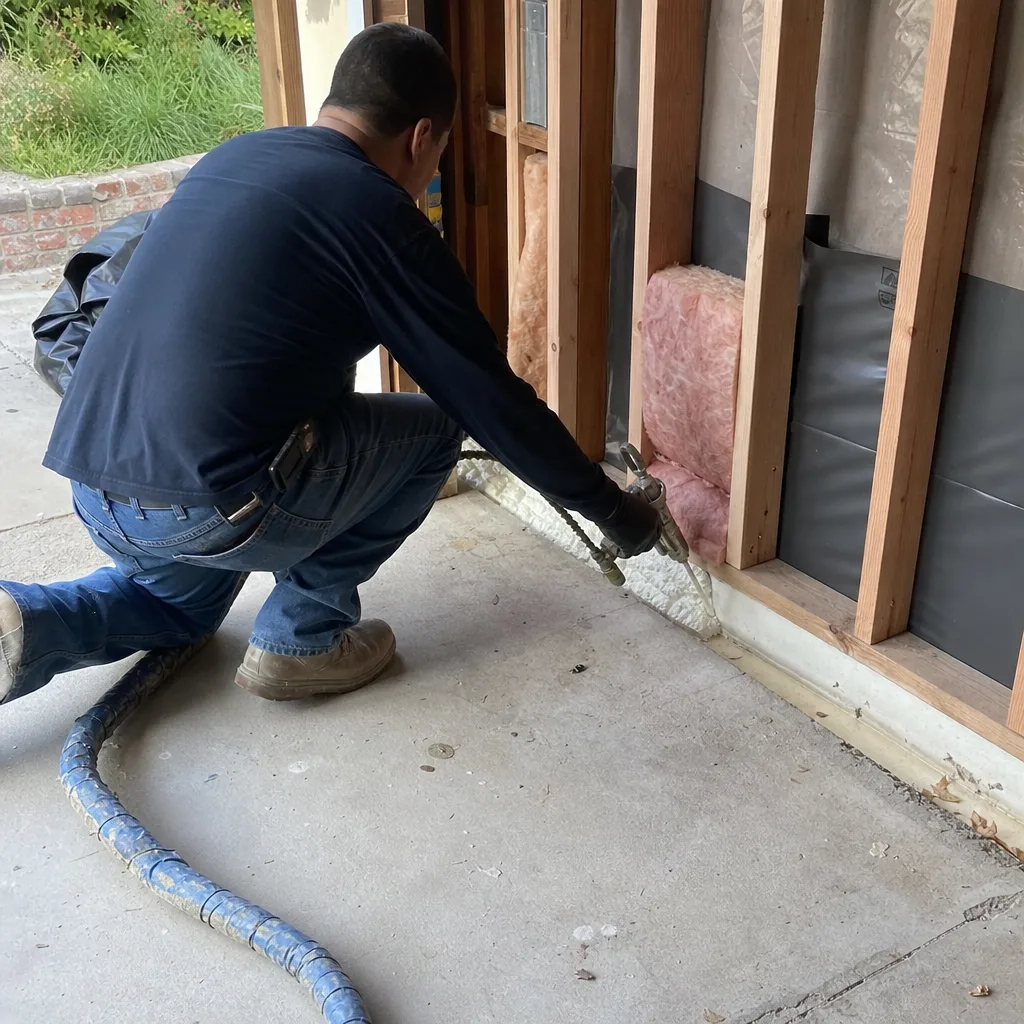
Prefabricated and modular ADUs from Cover, Dvele, Mighty Buildings, and Boxabl introduce maintenance considerations distinct from site-built construction. We specify and coordinate these systems within our single-contract model, so the interface between factory build and site conditions is our responsibility, not the homeowner’s detective work.
Key differences:
- Transport and set seal integrity: Modular units arrive on a carrier and are craned onto foundation piers or stem walls. The marriage line, utility chase, and structural connection points require inspection at 6 months and annually thereafter. Settlement during the first dry season can stress these joints; we document and adjust before water intrusion develops.
- Factory-applied coating systems: Cover’s exterior finish and Mighty Buildings’ composite skin both carry factory warranties contingent on documented maintenance. We track warranty requirements and schedule required inspections so coverage remains valid. A denied warranty claim for “lack of maintenance” is a $15,000-$40,000 exterior re-cladding that proper documentation prevents.
- Smart system firmware and sensor calibration: Dvele’s integrated home automation requires periodic updates and sensor recalibration. We coordinate with factory support for these updates during scheduled maintenance visits, so the homeowner does not manage multiple vendor relationships.
The single-contract advantage: When a factory issue and a site condition interact, there is no designer-versus-builder dispute. We resolve it under the Haven Standard, with a written price before any corrective work begins.
Common Mistakes to Avoid
- Measuring defensible space from the primary residence only. Insurance adjusters and fire inspectors measure from each structure. An ADU with inadequate standalone clearance can void coverage even if the main house complies.
- Using coastal California maintenance schedules for Simi Valley conditions. The marine layer moderates rust, UV degradation, and thermal cycling in Santa Monica or Long Beach. Simi Valley’s inland exposure accelerates all three; maintenance intervals should be 30-40% shorter.
- Ignoring Santa Ana wind damage until spring. Wind-lifted flashing, displaced downspouts, and cracked vent seals allow water entry that remains hidden until February rains. Inspect immediately after major wind events, not “when you get around to it.”
- Skipping weep hole maintenance because “the windows are new.” Weep holes clog with construction dust and seasonal debris regardless of window age. New windows fail from trapped water same as old ones.
- Assuming prefab factory warranties cover all defects without maintenance conditions. Every factory warranty we have reviewed for Cover, Dvele, Mighty Buildings, and Boxabl includes maintenance requirements. Failure to document compliance is the leading cause of claim denial.
- Discarding permit documentation after Certificate of Occupancy issuance. Simi Valley’s building department retains records, but retrieval takes 2-4 weeks and costs $45-$120 per document. Your own file supports immediate disclosure and faster escrow.
- Treating ADU maintenance as a “handyman” task without permit awareness. Electrical, plumbing, and structural modifications to permitted ADUs require permit amendment in Simi Valley. Unpermitted work discovered at sale can require removal or retrofit at seller expense.
When to Call a Professional
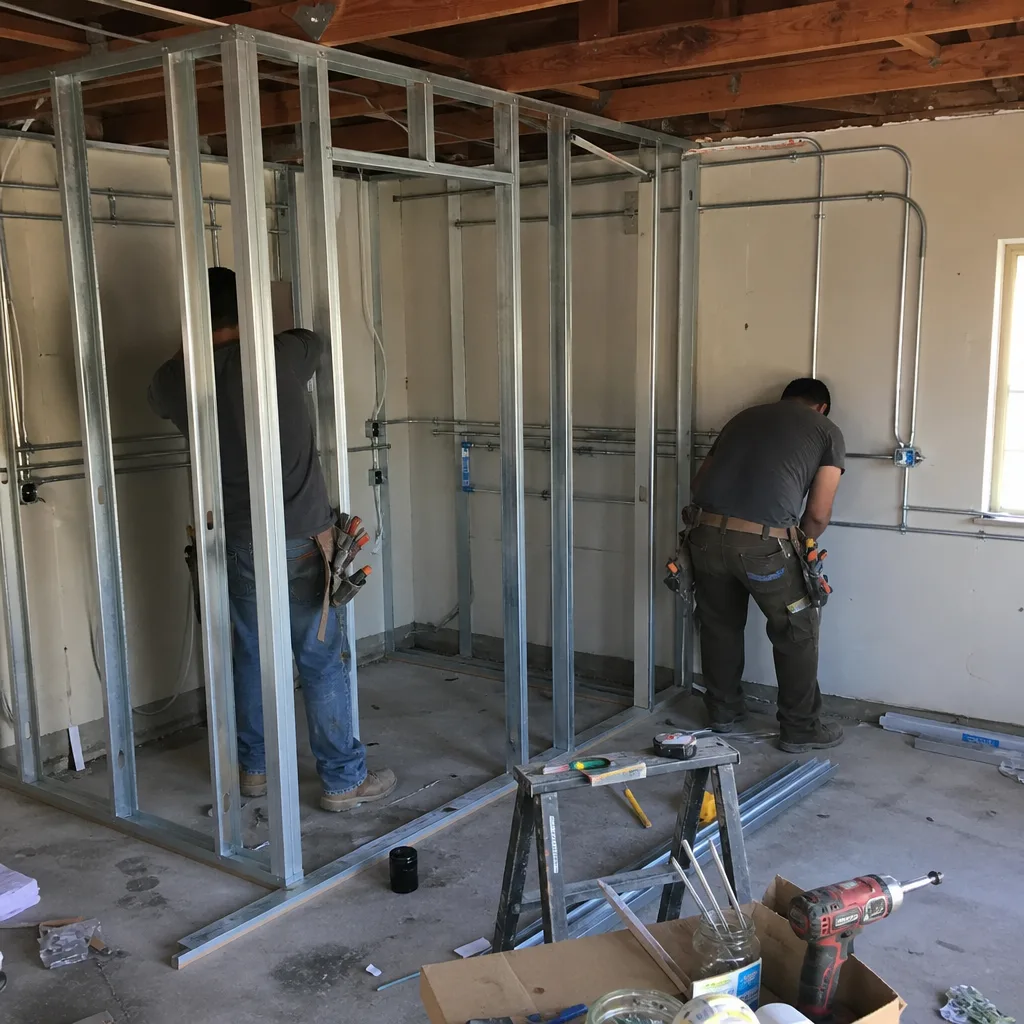
Call a licensed professional when you observe foundation movement beyond 1/8 inch, roof leaks of any origin, electrical panel warmth or breaker trips, or gas odor near any appliance. These are not maintenance items; they are safety conditions requiring qualified evaluation.
For seasonal maintenance planning, fire-hardening assessment, or documentation of existing ADU condition, ADU Design & Permitting in Simi Valley and related services are available through Ellery ADU Studio Simi Valley. We offer free estimates in Simi Valley - call (820) 444-6584. A live person answers calls 24/7; no voicemail queue, no callback promise that doesn’t materialize. We also provide a Free Second Opinion on any written estimate already in hand, with itemized comparison to our fixed-price scope.
Frequently Asked Questions
Annual professional maintenance for a Simi Valley ADU typically runs $680-$1,450, covering two seasonal inspections, filter replacements, and basic drainage and seal verification. Fire-hardening assessments add $340-$580. Major system servicing, such as mini-split refrigerant verification or cool-roof re-coating, is additional and quoted in writing before work begins per Haven Standard Clause 1. Call (820) 444-6584 for an exact quote - estimates are free.
No. Under Haven Standard Clause 1, every project is quoted with a written price before any work begins. The scope is locked at signing under Clause 5 (No Surprises); no door-side upsells, no scope creep. If we discover a condition not visible at inspection, we document it with photographs, provide a written change order with a fixed price, and obtain your signature before proceeding.
Routine maintenance - filter replacement, cleaning, caulking, and minor hardware adjustment - does not require permits. Electrical, plumbing, structural, or roofing work that modifies the permitted configuration does. If your ADU is in a Simi Valley hillside zone, even replacement of like-for-like roofing materials may trigger fire-hardening verification. We pull all required permits and schedule inspections as part of our single-contract service.
Very High Fire Hazard Severity Zone designations in Simi Valley trigger specific ember-resistance and defensible-space requirements that carriers now verify at policy renewal or claim time. An ADU without 1/8-inch vent mesh, Class A roof assembly, or measured defensible space can result in coverage denial or mid-policy cancellation. We document compliance with photographs and written findings that you retain with your insurance file.
A standard seasonal inspection for a 400-800 square foot ADU takes 90-150 minutes. Fire-hardening assessments add 60-90 minutes for documentation and measurement. Prefab and modular ADUs with smart systems may require additional time for firmware verification and sensor calibration. We schedule with arrival windows, not “sometime Tuesday” vagueness.
Unpermitted ADU work in Simi Valley requires evaluation against current code, not the code in force at the time of original construction. Retrofit or legalization may be possible; demolition and restart is sometimes required. We provide a written feasibility assessment with fixed pricing for either path. The cost range is wide - $4,500 for minor compliance corrections to $35,000+ for full reconstruction - so a site-specific evaluation is essential. Call (820) 444-6584 to schedule.
The Bottom Line
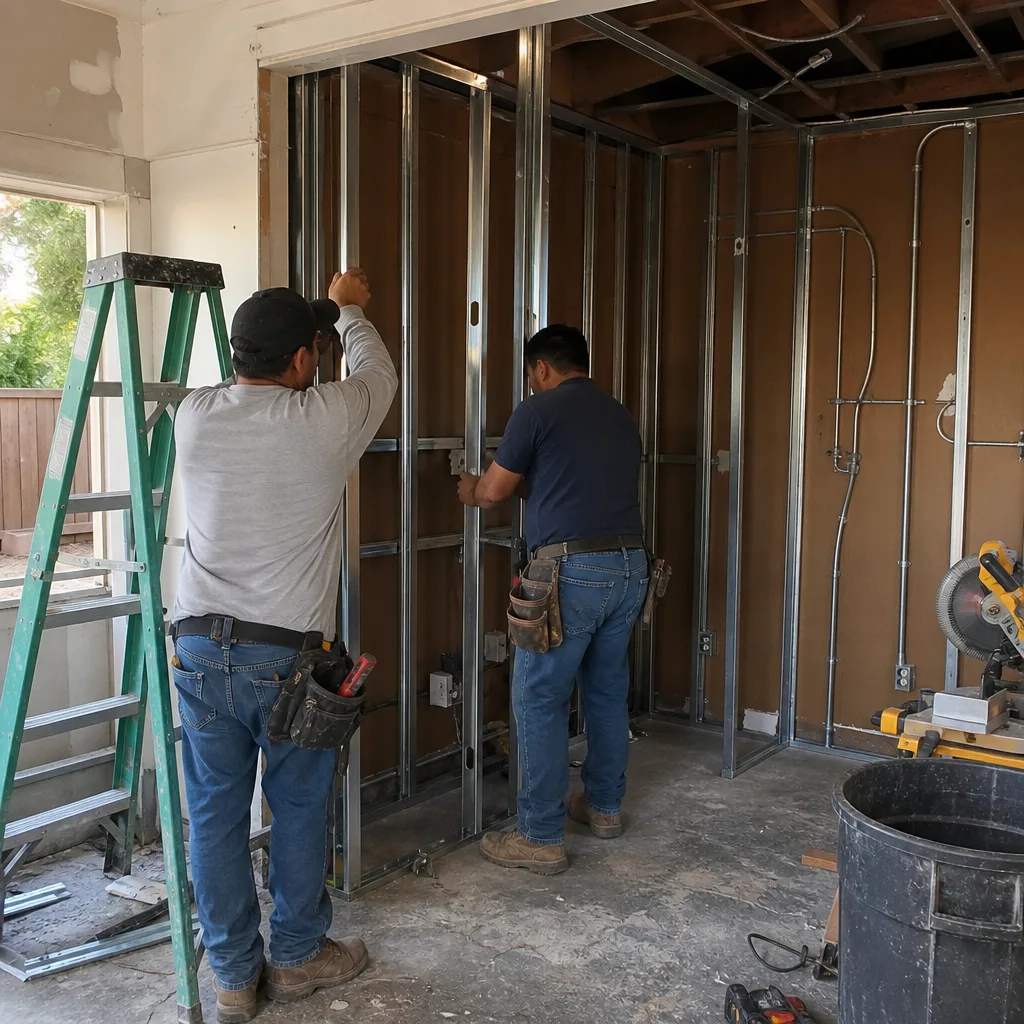
Simi Valley’s climate creates a maintenance calendar that inland and coastal guides do not address: fire-hardening before Santa Ana season, wind and air-quality response through January, drainage verification before concentrated winter rain, and thermal efficiency checks before summer heat peaks. Skip any season and the failure mode is predictable, measurable, and usually expensive. Document everything, measure defensible space from the ADU itself, and treat prefab warranties as conditional contracts requiring active compliance. The homeowners who protect their ADU investment are the ones who treat maintenance as scheduled infrastructure care, not reactive repair.
Written by Nadia Ellery, Owner at Ellery ADU Studio Simi Valley, serving Simi Valley since 2015.