
Last updated September 25, 2026
DIY vs Professional ADU: The Simi Valley Homeowner’s Decision Guide
California’s owner-builder permit provision sounds like a gift to handy homeowners. You can pull your own permit, hire trade-by-trade, and pocket the general contractor markup. But here’s what most Simi Valley homeowners discover too late: owner-builder status triggers a mandatory disclosure under Civil Code §1102 if you sell within five years, and that disclosure routinely reduces offers or kills escrow entirely. Since 2015, we’ve reviewed hundreds of ADU projects in Ventura County. The ones that finished on budget and passed inspection shared one trait: a permitted drawing set, a single contract, and a licensed party carrying the liability. The ones that didn’t? They started with a homeowner who watched three YouTube videos and believed the hard part was swinging the hammer.
Quick Answer
Most Simi Valley homeowners cannot legally or economically build an ADU themselves. California requires licensed C-10 electrical, C-36 plumbing, and C-20 HVAC contractors for those systems regardless of owner-builder status, and owner-builder resale disclosures within five years routinely cost more than any labor savings. A professional design-build contract covers the permit set, construction, and liability under one written price - typically the lower total cost when errors, re-inspections, and resale impact are counted. See our How to Hire a ADU Contractor in Simi Valley: A Step-by-Step Guide for what to look for in that contract.
Table of Contents

- What California’s Owner-Builder Permit Actually Allows
- The Licensed Trades You Cannot DIY in California
- Realistic Cost Comparison: DIY Savings vs. Hidden Costs
- Why “Hybrid” Contractor Oversight Usually Fails
- The Two ADU Types Where DIY Has Legitimate Logic
- Simi Valley-Specific Permitting and Climate Considerations
- What a Design-Build Contract Actually Covers
- Common Mistakes to Avoid
- When to Call a Professional
- Frequently Asked Questions
What California’s Owner-Builder Permit Actually Allows
California Business and Professions Code §7044 lets homeowners act as their own general contractor on residential projects, including ADUs. The application is straightforward: you sign an owner-builder declaration at the building department, take an exam in some jurisdictions, and pull the permit in your own name. No license required. No bonding. No workers’ compensation insurance for yourself.
What the permit clerk doesn’t hand you is the disclosure form you’ll need if you sell within five years. Civil Code §1102.6 requires owner-builder status to be disclosed to buyers, along with the fact that the work was not performed by a licensed contractor and may not be covered by standard homeowners insurance for defects. In Simi Valley’s competitive resale market, where homes in neighborhoods like Wood Ranch and Indian Hills routinely attract multiple offers, this disclosure functions as a scarlet letter. Buyer’s agents know it. Lenders know it. And escrow officers have seen deals fall apart when the buyer’s insurance carrier refuses to cover unlicensed electrical or plumbing work.
We’ve reviewed owner-builder files at the Simi Valley Building & Safety Division. The pattern is consistent: permits pulled by homeowners take 40-60% longer to reach final inspection, with an average of 2.3 re-inspection cycles versus 1.1 for permitted contractor work. Each re-inspection costs time, permit extension fees, and holding costs on construction financing. The owner-builder “savings” evaporate by the third failed inspection.
The permit provision also has strict limits. You cannot perform work on a property you don’t intend to occupy. You cannot build speculatively. And you cannot legally hire unlicensed day laborers for work that requires a specialty license - a common misconception that exposes homeowners to Labor Code violations and personal liability for workplace injuries.
The Licensed Trades You Cannot DIY in California
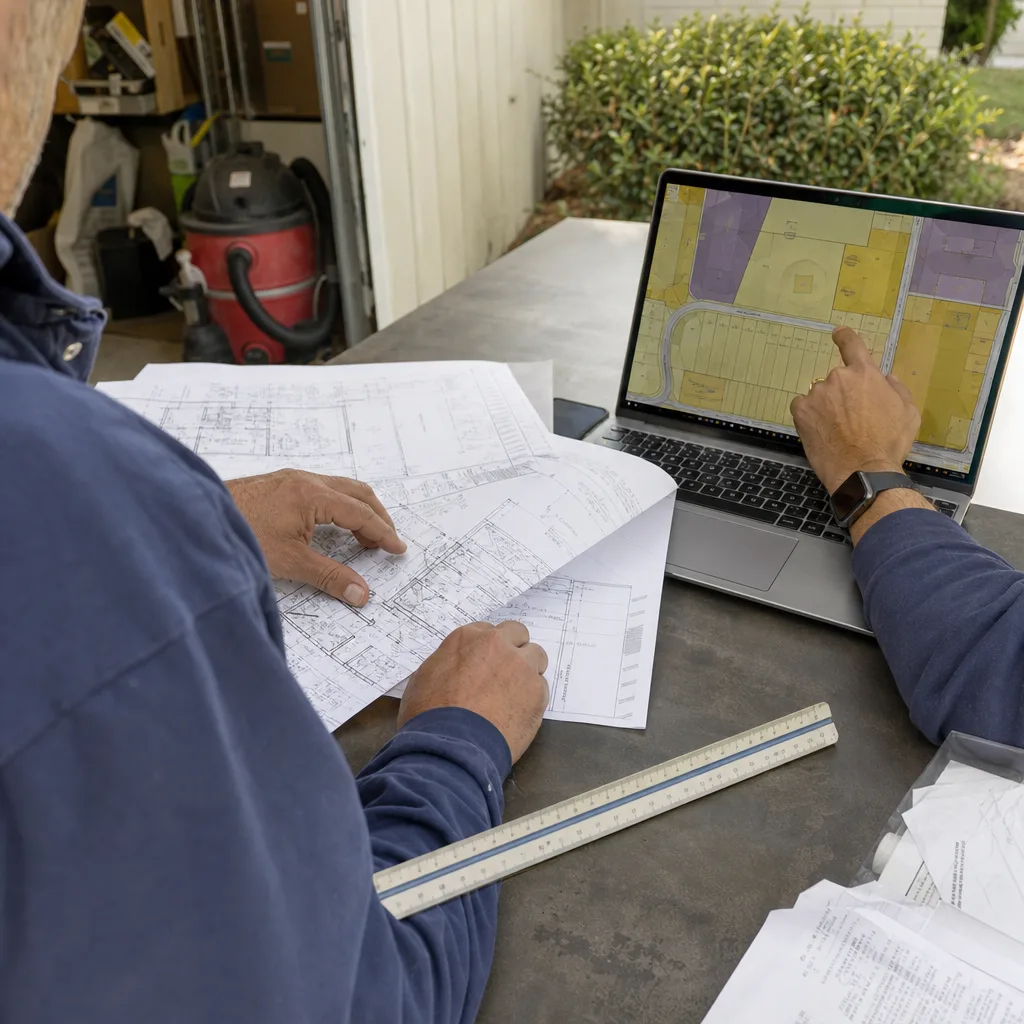
Even with owner-builder status, three systems require licensed contractors under California law. These aren’t suggestions or building department preferences. They’re statutory requirements with criminal penalties for violations.
- Electrical work (C-10 license): Any wiring beyond replacing a like-for-like fixture requires a C-10 contractor. ADUs need new service panels, subpanels, GFCI/AFCI protection, and EV-ready outlets under current California Energy Code. The 2022 Title 24 requirements alone add 15-20 hours of licensed electrical work to even a basic conversion. We’ve seen owner-builders attempt their own rough electrical in Simi Valley’s Royal Estates area, only to have the inspector red-tag the entire panel for improper grounding - a $3,800 correction that required opening finished drywall.
- Plumbing (C-36 license): New water heaters, gas lines, sewer connections, and any work on pressurized potable water systems require a C-36. ADUs need separate water service or a properly sized branch, and California’s greywater provisions add complexity that owner-builders routinely underestimate. A failed pressure test on a new sewer lateral costs $2,500-$4,000 to excavate and repair, not counting the re-inspection queue.
- HVAC (C-20 license): Ductwork, refrigerant lines, and combustion appliance venting all require C-20 licensure. Simi Valley’s summer design temperature of 95°F and winter low of 35°F means heat pump sizing is critical; an undersized system fails Title 24 compliance and won’t pass final. We’ve replaced owner-builder HVAC installations in the Sycamore Canyon area where the homeowner used a handyman who sized the mini-split by square footage alone, ignoring the Manual J load calculation the city requires.
The practical impact: even the most capable owner-builder must hire and coordinate three separate licensed trades, each with their own scheduling, permitting, and inspection requirements. The “DIY” label becomes misleading when 60-70% of the project value is subcontracted work you cannot legally perform yourself.
Realistic Cost Comparison: DIY Savings vs. Hidden Costs
The math that convinces homeowners to try owner-builder status is simple and wrong. They take the general contractor’s bid, subtract material costs they can look up online, and call the remainder “savings.” Here’s what that calculation misses, based on 900+ ADU projects we’ve priced since 2015, detailed in our ADU Cost Breakdown: The Simi Valley Homeowner’s Reference for 2026.
DIY garage conversion ADU in Simi Valley - realistic cost breakdown:
- Materials (framing, insulation, finishes, fixtures): $45,000-$62,000
- Licensed electrical (C-10): $8,500-$14,000
- Licensed plumbing (C-36): $6,000-$10,500
- Licensed HVAC (C-20): $5,500-$9,000
- Permit fees, plan check, impact fees: $4,500-$7,500
- Owner labor (500-800 hours at $0/hour in the naive calculation)
- Subtotal direct costs: $69,500-$103,000
Costs the naive calculation omits:
- Re-inspection fees at $150-$300 per cycle (average 2.3 cycles for owner-builders): $345-$690
- Permit extension fees when inspections lapse: $200-$500
- Correction of trade errors (improperly sloped drain, overloaded panel, undersized HVAC): $3,000-$12,000
- Holding costs on construction financing or HELOC (extra 3-6 months): $2,500-$7,500
- Owner’s lost income during 500-800 hours of project management: $15,000-$40,000 (at median Ventura County household income)
- Resale disclosure impact within 5 years: 3-8% price reduction or failed escrow ($25,000-$80,000 on typical Simi Valley home)
Professional design-build garage conversion in Simi Valley:
At Garage Conversion ADU in Simi Valley, our all-in pricing - permit set through final inspection - typically runs $95,000-$140,000 depending on finish level and existing conditions. The price is written before work starts, per Haven Standard Clause 1. No change orders. No re-inspection costs borne by the client. No disclosure liability at resale.
The owner-builder “saves” $10,000-$30,000 on paper and risks $30,000-$140,000 in hidden costs, lost income, and resale impairment. The professional route costs more upfront and less over five years. For homeowners who bought between 2015 and 2025 at historically high prices, the five-year resale window is not hypothetical - it’s their likely move timeline for job changes, school districts, or family expansion.
Why “Hybrid” Contractor Oversight Usually Fails

A growing middle path tempts Simi Valley homeowners: hire a licensed contractor for “oversight” while performing much of the labor yourself. The pitch sounds reasonable. The contract, when examined, rarely protects the homeowner.
Hybrid arrangements typically take one of two forms. In the first, the homeowner signs a limited contract for “consulting” or “permit expediting” at $5,000-$15,000, then performs the work with the contractor’s guidance. The problem: California contractors’ insurance covers work their employees perform, not work performed by the homeowner under their direction. When the homeowner’s electrical work fails inspection and causes a fire, the contractor’s general liability carrier denies the claim. The homeowner’s carrier denies it too, citing unlicensed work. The “oversight” contract didn’t create liability coverage; it created the illusion of coverage.
In the second form, the contractor signs as the responsible party on the permit but delegates labor to the homeowner as an unpaid “assistant.” This violates B&P Code §7110, which prohibits contractors from allowing their license to be used to evade licensing requirements. If the Contractors State License Board investigates, both parties face disciplinary action, and the permit can be voided - requiring demolition of covered work to expose it for re-inspection.
We’ve reviewed hybrid contracts brought in for our Ellery ADU Studio Simi Valley home Free Second Opinion. The consistent pattern: the contract language carefully limits the contractor’s scope, assigns permit responsibility to the homeowner, and contains no warranty on work the homeowner performs. The homeowner believed they bought protection. They bought a signature on paper.
A genuine design-build contract, by contrast, assigns permit responsibility, construction liability, and warranty obligation to a single licensed entity. Under The Haven Standard, Clause 5 (No Surprises), the scope is locked at signing. Clause 7 (Documented Record) requires photo documentation of every visit. And Clause 9 (365-Day Done Right Promise) backs the warranty in writing before the project starts. The contract doesn’t just name a price; it names who is responsible when something goes wrong.
The Two ADU Types Where DIY Has Legitimate Logic
Despite everything above, two ADU project types offer genuine economic logic for capable homeowners who understand the constraints.
1. Junior ADU (JADU) conversions of existing permitted space
A JADU is created entirely within the walls of an existing single-family dwelling, with a maximum size of 500 square feet, separate entrance, and either efficiency kitchen or full kitchen depending on local ordinance. The critical distinction: no new foundation, no new roof, no new structural framing. The work is interior finish carpentry, fixture replacement, and minor electrical/plumbing modifications.
In Simi Valley, where many 1970s-1990s tract homes in neighborhoods like Santa Susana and Bridle Path have large master suites or bonus rooms, a JADU conversion can be accomplished with minimal licensed trade work. Our Seasonal ADU Care for Simi Valley: Year-Round Homeowner’s Guide covers ongoing maintenance after conversion. The existing electrical panel may need only a subpanel addition. The plumbing may tap existing lines. And because no new structural elements are created, the inspection scope is narrower, the re-inspection risk lower, and the owner-builder disclosure less damaging at resale - the underlying structure was permitted decades ago.
Even here, the smart owner-builder hires the C-10, C-36, and C-20 work, self-performing only the finish carpentry, painting, and fixture installation. Total savings potential: $8,000-$18,000 on a $45,000-$65,000 project. The disclosure still applies, but the buyer’s concern is proportionally lower.
2. Site preparation and utility rough-in for prefab ADUs
Prefab and modular ADU systems from brands like Boxabl, Plant Prefab, and Tuff Shed arrive with electrical, plumbing, and HVAC largely pre-installed in the factory. The site work - excavation, foundation, utility trenching, and final connection - can sometimes be owner-built with proper permits and licensed connections.
The economics here are narrow. The foundation must still meet engineered specifications and pass inspection. The utility connections still require licensed trades. And the prefab manufacturer’s warranty may be voided if site preparation doesn’t meet their tolerances. But for homeowners with earthmoving experience and access to equipment, the labor savings on foundation forming and utility trenching can reach $5,000-$12,000.
We specify and coordinate prefab systems from Boxabl, Plant Prefab, Tuff Shed, and James Hardie within our single-contract model. The value we add isn’t the trenching; it’s ensuring the foundation meets the manufacturer’s spec, the crane placement is engineered, and the utility connection doesn’t void the warranty. Owner-builders who attempt this without manufacturer coordination have seen $80,000 modules arrive to find the foundation is 3 inches out of level - a mismatch that costs more than the original labor savings to correct.
Simi Valley-Specific Permitting and Climate Considerations
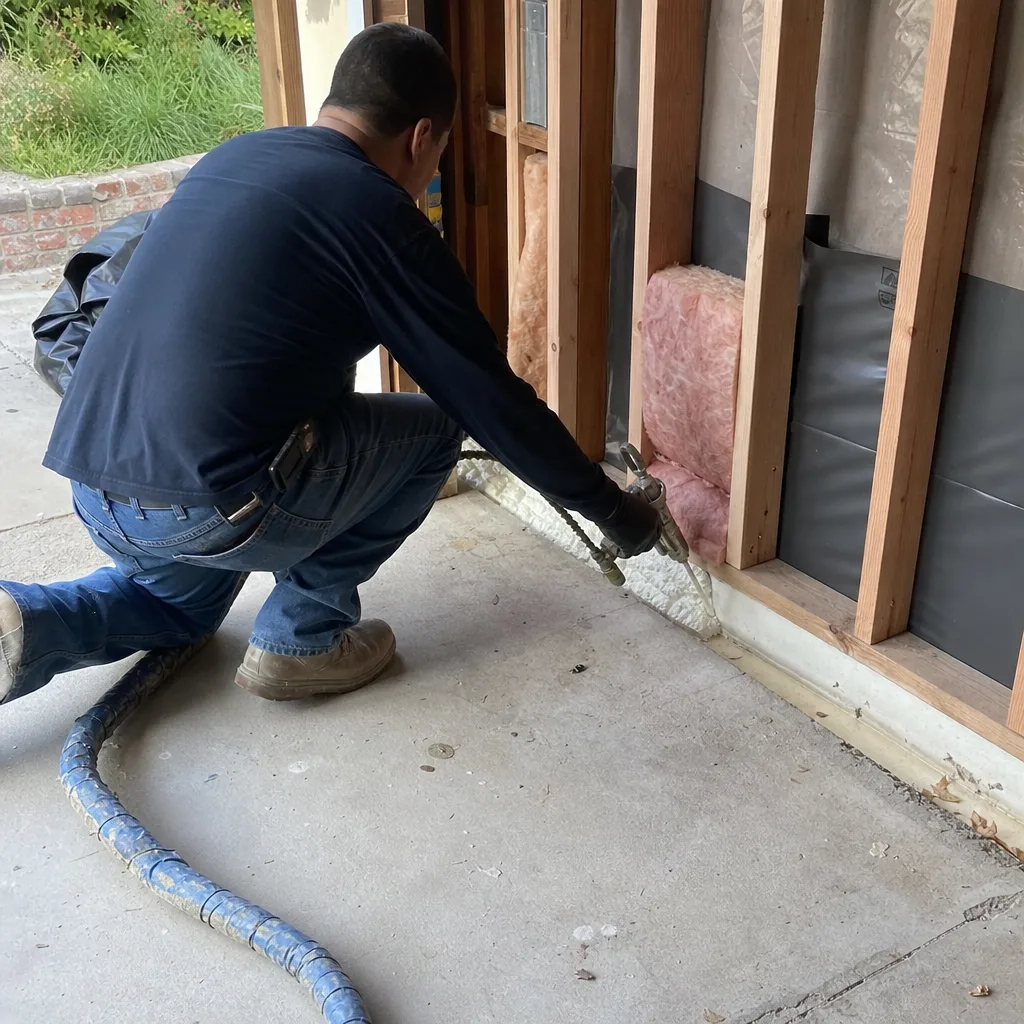
Simi Valley’s ADU market has distinct characteristics that affect the DIY-versus-professional calculation. Understanding them prevents costly assumptions.
Wind exposure and structural requirements: Simi Valley sits in a high-wind corridor between the Santa Susana Mountains and Simi Hills. The city’s amended building code requires design wind speeds of 110 mph for detached structures, higher than many inland Ventura County jurisdictions. This affects foundation anchorage, wall bracing, and roof uplift connections - details that owner-builders routinely under-engineer. We’ve corrected owner-builder foundations in the Big Sky area where the anchor bolts were spaced for 85 mph winds, requiring $4,200 in epoxy-installed retrofit anchors.
Expansive soils: Much of Simi Valley, particularly east of Tapo Canyon Road, sits on clay soils with high expansion potential. The city requires engineered foundation designs with post-tensioned slabs or pier-and-grade-beam systems for detached ADUs over 400 square feet. This isn’t a “pour concrete and hope” situation. The engineering is mandatory, the inspection is rigorous, and failures require complete foundation replacement - not correction.
Fire hazard severity zones: Portions of Simi Valley north of the 118 freeway and in the foothill areas are designated Very High Fire Hazard Severity Zones. ADUs in these areas require ignition-resistant construction, extended defensible space, and in some cases, sprinkler systems beyond standard ADU requirements. The California Fire Code amendments add 20-40 hours of plan check review and specialized inspections. Owner-builders without fire-code familiarity face extended timelines and repeated corrections.
Water and sewer capacity: Simi Valley’s water district requires flow testing for new ADU meters in areas with older infrastructure, particularly in the original 1960s-1970s neighborhoods near Simi Valley Town Center. If the main lacks capacity, the ADU requires a private booster pump or connection to a different main - a $6,000-$15,000 unplanned cost that professional design-build contracts identify during due diligence, not after permit issuance.
Solar readiness: California’s 2022 Energy Code requires new detached ADUs to be solar-ready, with conduit and roof structure capable of supporting future PV. Simi Valley enforces this strictly. The “solar-ready” specification adds roughly $800-$1,200 in materials but requires precise documentation in the permit set - documentation that owner-builders often omit, triggering plan check rejection.
These factors don’t make DIY impossible. They make it a research project equivalent to a part-time job for 6-12 months. Most Simi Valley homeowners with the skills to navigate them also have incomes that make the time investment economically irrational.
What a Design-Build Contract Actually Covers
The term “design-build” is used loosely in residential construction. For ADU Design & Permitting in Simi Valley, we define it precisely: a single contract covering architectural design, structural engineering, energy compliance, permit expediting, and construction through final inspection, at one written price established before any work begins.
Here’s what that eliminates, based on the failure patterns we’ve seen since 2015:
- The designer-builder blame gap: In traditional design-bid-build, the architect blames the contractor for interpreting drawings incorrectly; the contractor blames the architect for incomplete details. The homeowner pays for mediation. Our permit set is the construction document; if the built work doesn’t match, that’s our correction under the 365-Day Done Right Promise.
- The permit set as afterthought: Many contractors treat architectural plans as a necessary evil, produced cheaply and corrected in the field. Our permit set is the core product - engineered for Simi Valley’s specific wind, seismic, and soil conditions, with every detail specified before the first nail. This is why our plan check approval rate is 94% on first submittal versus an industry average near 60%.
- The change order cascade: “Unforeseen conditions” are the standard contractor’s profit center. Our Haven Standard, Clause 5, locks the scope at signing. We perform due diligence - soil reports, utility locates, asbestos testing - before the price is written. What we find, we price. What we don’t find, we absorb within reasonable contingency.
- The documentation gap: Every visit to your property produces a documented photo record, delivered to you within 24 hours. You see what we found, not what we felt. In a dispute, this record is evidence. In a resale, it’s provenance.
For New Detached ADU in Simi Valley, the design-build contract also coordinates prefab and modular systems - Boxabl, Plant Prefab, Tuff Shed, James Hardie - within the same single-contract structure. The manufacturer becomes our subcontractor, not your coordination problem. Their warranty, our responsibility. Their tolerances, our verification.
The written price before work starts isn’t a marketing claim. It’s Haven Standard Clause 1, and it appears in every contract we sign. No “call for a quote.” No allowance items that balloon. The price you see is the price you pay, or we eat the difference.
Common Mistakes to Avoid
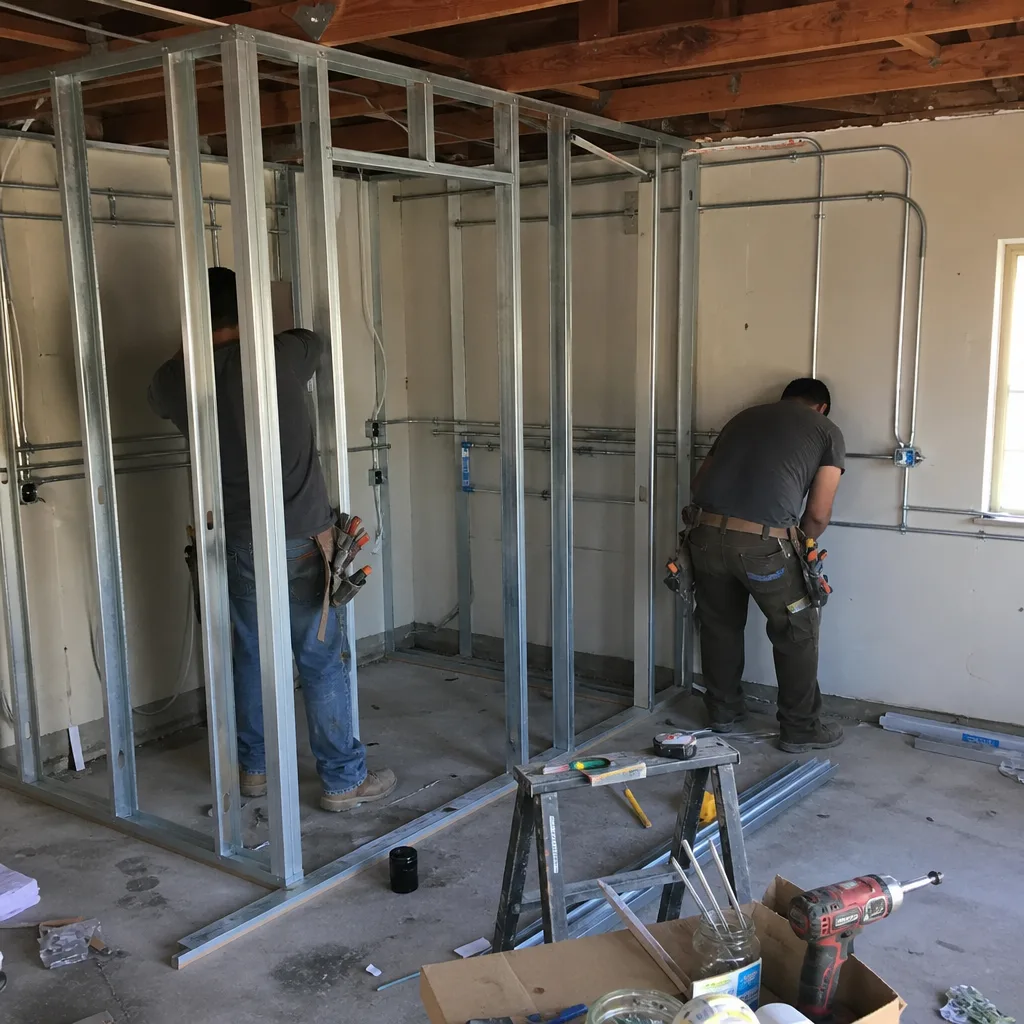
- Assuming the owner-builder exam is the hard part. Simi Valley’s exam is 30 questions on basic building code. The hard part is producing a Title 24 energy compliance report, a structural calculation package, and a drainage plan that satisfies the city engineer - documents most homeowners don’t know exist until plan check rejects their application.
- Hiring unlicensed handymen for “simple” electrical or plumbing. California’s $500 handyman exemption doesn’t apply to work that requires a specialty license, regardless of project size. A $400 outlet installation in an ADU still requires a C-10. We’ve seen homeowners fined $2,500 by CSLB for this violation, plus the cost to remove and replace the work.
- Using online ADU plans without local amendment review. Generic plans from national vendors don’t account for Simi Valley’s wind exposure, expansive soils, or fire hazard zones. The $800 “permit-ready” plan becomes a $3,500 revision when the city engineer marks it up - if you’re lucky. If you’re not, it gets rejected and you start over.
- Ignoring the five-year resale window. The median Simi Valley homeowner moves every 6.8 years. If you’re in that statistical mainstream, the owner-builder disclosure will affect your sale. The “savings” you calculate today will be paid back with interest when your buyer’s lender requires a licensed contractor’s sign-off as a loan condition.
- Underestimating holding costs on DIY timelines. Owner-builder ADUs in Simi Valley average 14-22 months from permit to final. Professional design-build averages 8-12 months. At $2,500/month in financing costs, the extra six months erase $15,000 of labor “savings” before you hang the first cabinet.
- Assuming prefab eliminates all complexity. Factory-built modules reduce on-site labor but increase coordination requirements. Crane permits, oversize transport routing, foundation tolerance to 1/8 inch, and utility connection sequencing are specialized skills. We’ve rescued three owner-builder prefab projects in Simi Valley where the module arrived before the foundation was certified level.
- Neglecting workers’ compensation for casual labor. Hire a day laborer who gets injured on your property, and you’re their employer under California Labor Code. Without workers’ comp coverage, you face personal liability for medical costs and disability. Professional contractors carry this risk. Owner-builders rarely know they need to.
When to Call a Professional
Call a professional when the project involves new foundations, new electrical service, new plumbing lines, or any structure detached from your existing home. These are the points where California law, Simi Valley’s amended building code, and financial risk converge against the owner-builder model.
Call a professional when you intend to sell within ten years and cannot accept a disclosure that reduces your buyer pool. Call a professional when your household income makes 600 hours of project management more costly than the contractor’s fee. Call a professional when you need the permit set to be right the first time, because your construction loan has a 12-month draw period and extensions cost 2 points. For more guides & resources on navigating the ADU process, visit our blog.
Ellery ADU Studio Simi Valley offers free estimates in Simi Valley - call (820) 444-6584. Every estimate includes a written price before any work begins, per Haven Standard Clause 1. We also provide a Free Second Opinion on any written estimate already in your hand, with no obligation.
Frequently Asked Questions
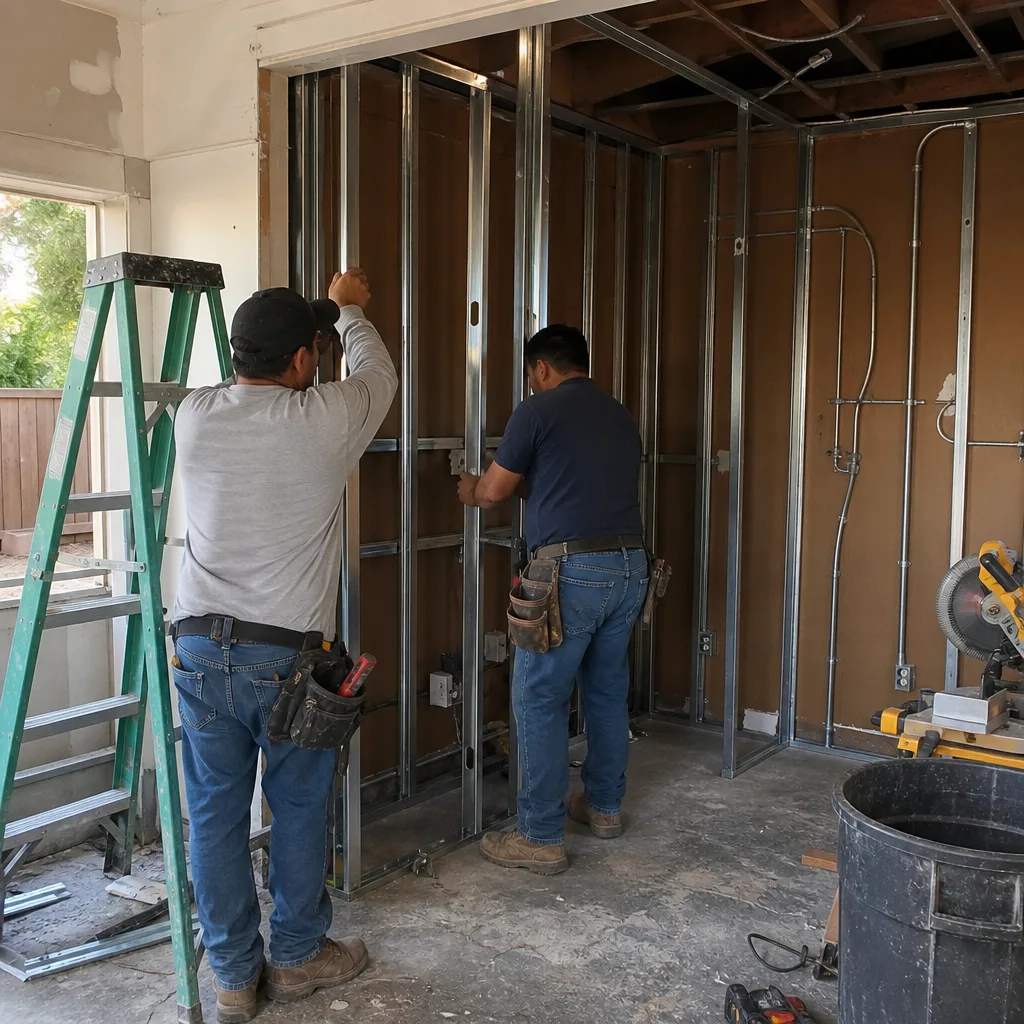
Professional garage conversion ADUs in Simi Valley typically run $95,000-$140,000 all-in, while owner-builder direct costs range $70,000-$105,000 before hidden costs. After re-inspections, corrections, holding costs, and lost income, the professional route usually costs less over five years. Call (820) 444-6584 for a written estimate - they’re free, and we price before any work starts.
Yes, California allows owner-builders to pull residential permits, including ADUs. You’ll need to pass an owner-builder exam, submit a complete permit set, and use licensed C-10, C-36, and C-20 contractors for electrical, plumbing, and HVAC. If you sell within five years, Civil Code §1102.6 requires disclosure of your owner-builder status to buyers, which commonly reduces offers or prevents escrow from closing.
Failed inspections require correction and re-inspection, typically at $150-$300 per cycle in Simi Valley. Common owner-builder failures include improper electrical grounding, inadequate wall bracing for wind loads, and missing Title 24 energy documentation. Each failure extends your timeline 2-4 weeks and may trigger permit extension fees. Professional design-build contracts absorb these costs; owner-builders pay them directly.
You need licensed contractors for electrical (C-10), plumbing (C-36), and HVAC (C-20) work regardless of owner-builder status. Structural modifications, foundation work, and energy compliance documentation also require professional expertise under Simi Valley’s amended building code. The framing and finish work can be owner-built, but these represent 30-40% of project value at most.
Owner-builder work disclosed under Civil Code §1102.6 typically reduces offers 3-8% or prevents buyer financing approval entirely. In Simi Valley’s competitive neighborhoods like Wood Ranch and Indian Hills, where multiple offers are common, the disclosure eliminates buyers who need conventional or FHA financing. The impact is most severe for electrical, plumbing, and structural work performed without licensed contractors.
Our single contract covers architectural design, structural engineering, Title 24 energy compliance, permit expediting, and construction through final inspection - all at one written price established before work begins. Every project includes a documented photo record on every visit and is backed by our 365-Day Done Right Promise in writing. We specify and coordinate prefab systems from Boxabl, Plant Prefab, Tuff Shed, and James Hardie within the same contract structure.
The Bottom Line
The DIY-versus-professional question for Simi Valley ADUs resolves quickly when you account for California’s licensed trade requirements, the owner-builder resale disclosure under Civil Code §1102.6, and the true cost of errors and delays. Capable homeowners can legitimately self-perform limited JADU conversions and some site preparation work. For garage conversions, detached ADUs, and any project with new foundations or structural framing, the professional design-build route typically costs less over five years while eliminating liability, documentation gaps, and resale risk. The permit set is not an afterthought; it’s the product that determines whether your ADU passes inspection, holds value, and functions as the long-term asset you intended.
Written by Nadia Ellery, Owner at Ellery ADU Studio Simi Valley, serving Simi Valley since 2015.